Tomografías computarizadas preventivas

What is a body scan?

A body scan utilizes advanced imaging technology to provide a comprehensive view inside your body, detecting potential issues such as cancer and other diseases long before symptoms appear. Early diagnosis dramatically increases your chances of successful treatment and survival, uncovering life-threatening abnormalities months or even years ahead of time.  A body scan offers a proactive approach by providing a detailed look at your current and future health. By analyzing critical areas like the lungs, heart, and abdomen/pelvis, these comprehensive scans can identify conditions before symptoms even begin to appear.
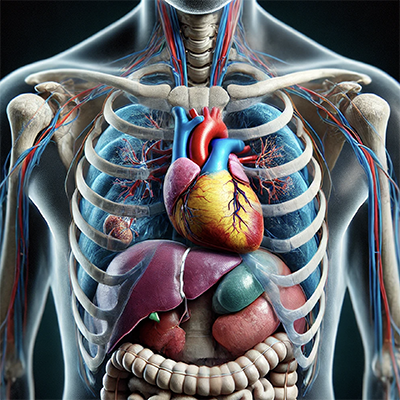
These may include:

  • Tumors
  • Nodules
  • Aortic aneurysms
  • Calcium deposits

How does it work?

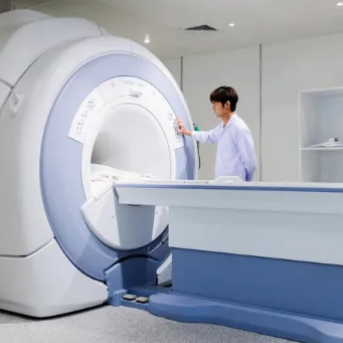
A body CT scan is a procedure that employs cutting-edge imaging technology to take multiple high-resolution images of your organs. These images are reconstructed to create a detailed, clear view of your body, allowing for greater accuracy in identifying and diagnosing potential health concerns. Early diagnosis dramatically increases your chances of successful treatment and survival, uncovering life-threatening abnormalities months or even years ahead of time.

Heart CT Scan

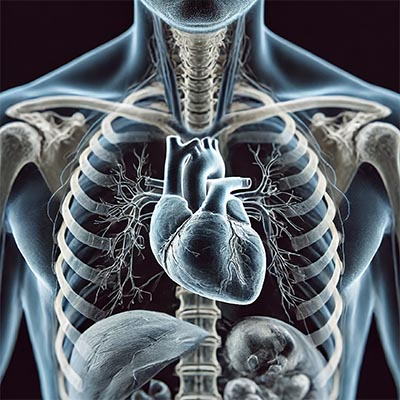
The CDC reports that 80% of premature heart disease and strokes can be prevented with early diagnosis and treatment. A CT heart scan, or computed tomography analysis, is a powerful diagnostic tool used to evaluate the health of your heart. The CT scanner measures your coronary calcium score, providing insights that can guide improvements to your diet, physical activity, and overall lifestyle.
 

If you’re over 40 or have any of the following risk factors, a heart scan could provide the answers you’ve been seeking.

Risk Factors:
  • High Blood Pressure
  • High Cholesterol
  • Diabetes
  • Obesidad
  • Poor Nutrition
  • Lack of Physical Activity
  • Tobacco Use
  • Chronic Stress
A heart scan is the quickest, simplest, and most precise way to assess your heart health. Is there a history of heart disease in your family? Early detection is one of the most effective ways to take charge of your health before problems arise.  The advanced CT scanner can identify irregularities before symptoms develop. The scan generates a coronary calcium score, which helps predict your risk of a heart attack. With this information, you can make informed changes to your diet and lifestyle to lower your risks and improve your heart health. Many heart conditions develop silently, showing no symptoms until it’s too late. A CT heart scan can provide early detection of critical issues, allowing you to take proactive steps to reduce your risks and improve your heart health.
 
Radiation Exposure:
CT heart scans involve low levels of radiation, comparable to X-rays, and pose minimal risk to most patients. However, women who are pregnant or may become pregnant should consult their doctor, as radiation exposure can impact a developing fetus.

Lung Scan

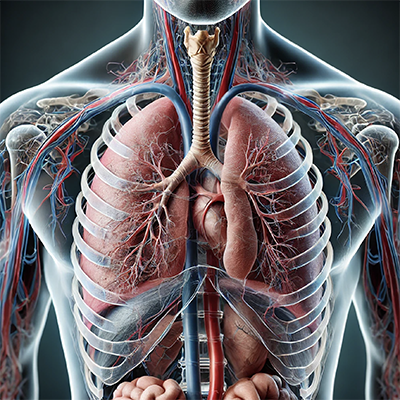
Lung cancer is the leading cause of cancer-related deaths in the United States. The CT lung scan uses low doses of radiation to create detailed images of the lungs, enabling the early detection of lung cancer, emphysema, aortic aneurysms, and other lung conditions before they become life-threatening.
 
This scan offers a detailed view of the lungs, providing significantly more clarity than a traditional X-ray. A CT lung scan is designed to detect lung cancer at its earliest stages, enabling timely diagnosis and improved management of the condition. Also known as computed tomography, a CT scan is a non-invasive diagnostic tool that allows for a thorough examination of the lungs without the need for invasive procedures.
Who Should Get a Lung Scan?
A lung exam is vital for all adults, especially those with breathing difficulties or a family history of lung issues. A lung scan can pinpoint the underlying cause of symptoms like wheezing or breathlessness, helping medical providers distinguish between lung and heart conditions.
 
  • Individuals with a history of heavy smoking—about a pack a day for 10 years or more—should schedule a CT lung scan without delay. Even those who quit smoking years ago are encouraged to have their lungs examined to identify any lingering issues.
  • If you’re still smoking and are in your 50s or older, a lung scan can provide critical insights into your lung health.

Abdominal/Pelvis Scan
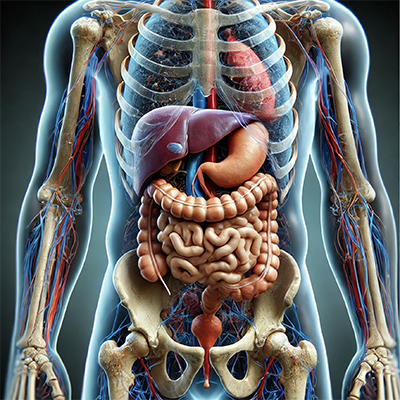
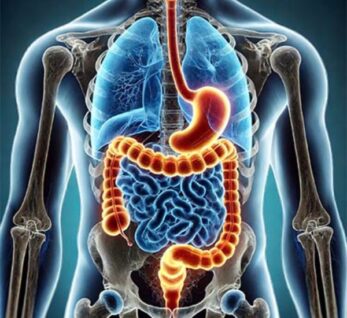
The abdominal/pelvis scan offers a detailed view of the Abdomen and Pelvis area, providing significantly more clarity than a traditional X-ray. A CT scan is designed to detect cancer at its earliest stages, enabling timely diagnosis and improved management of the condition. The abdominal scan evaluates the health of major organs, including the liver, spleen, gallbladder, pancreas, and kidneys. It can also detect vascular diseases, bowel issues, and, in some cases, degenerative disc disease. 
 
The pelvic scan provides a detailed examination of the bladder, prostate, uterus, and ovaries. It can identify bladder wall masses, stones, cysts, and other abnormalities.
An abdominal and pelvic scan is essential for adults, especially those experiencing unexplained abdominal pain, bloating, or changes in digestion. It is also recommended for individuals with a family history of abdominal or pelvic conditions. These scans can uncover the root cause of symptoms, such as issues with major organs like the liver, kidneys, bladder, or reproductive system, providing clarity for further medical evaluation.
Risk Factors:
  • Unexplained Weight Loss
  • Frequent Indigestion or difficulty swallowing
  • Persistent Nausea or Vomiting
  • Bloating or changes in bowel habits
  • Smoking
  • Diabetes, associated with pancreas and liver health
  • Obesidad
 

The Importance of Preventative Scans:

Your health is worth protecting before symptoms appear. Preventative scans play an important role in maintaining your long-term health and wellness. Early detention can allow for timely medical evaluation, appropriate treatment, and better-informed healthcare decisions.

At Dynamic Primary Care, we believe healthcare should be proactive, not reactive. Preventative screening recommendations are based on your age, medical history, risk factors, and individual health needs.

Because taking care of your health today can make a difference in your tomorrow.
Prevention starts with awareness. Early detection starts with action.

DIRECCIÓN

1405 SW 6th Ave, Ocala, FL 34471

Envíenos un correo electrónico

info@dynamicprimarycare.com